
Water is life. Water is made of over 70% of the world in which we live. For humans, it makes up approximately 60% of our body, and therefore, we are made of water.
If you have ever stared at a body of water, tap into how your nervous system feels. Studies have shown, and from a personal experience, it relieves stress and anxiety. It lowers blood pressure. It can influence our neurobiology and enhance our mood. The water is peaceful, yet also so fascinating. It is so mysterious. It is grounding and mesmerizing all in one.
Have you ever been on the beach and next to the ocean and felt recharged? Saline air can act as a therapeutic calming agent for the respiratory system. It can help reduce inflammation, clearing mucus and help ease symptoms of asthma, bronchitis, and sinus issues since the ocean air carries copious amounts of magnesium, which is the key component of salt.
Magnesium (salt) helps transport calcium and potassium ions across our cell membranes. This is a process that helps improve our mental health. Reducing anxiety, headaches, and depression. It can significantly help with our lymphatic drainage system, releasing the muscles, which relaxes the body, reducing inflammation.
It hosts a spot for mental relaxation. The smell and sound of the ocean, combined with the negative ions (think biology class), help lower our stress levels by reducing cortisol and increasing serotonin (helps regulate mood, sleep, and digestion) and dopamine (neurotransmitter and hormone, which is known as the “feel-good hormone”), which can create a calming, therapeutic effect.
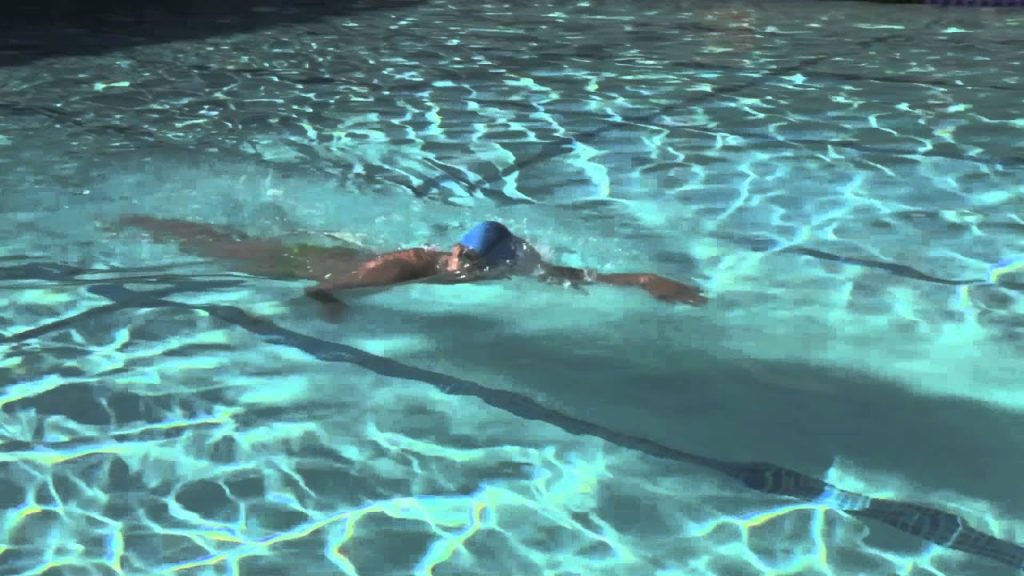
And for our brain. Being in the water and moving is one of the most therapeutic things we can do for our brains. Swimming demands us to utilize both the right and left sides of our brains in a way that no other thing can, in any action, tool, or skill we learn.
Because swimming forces us to move using the left and right sides of our bodies and our brains simultaneously, it requires us to think and feel at the same time. Swimming consistently activates both bilateral brain coordination which simulates firing the left and right hemispheres at rates significantly higher than any land-based play does.
And this whole-brain engagement is directly linked to stronger reading, language processing, and spatial reasoning.
The water teaches the nervous system something the land never can. Every stroke requires the body to cross the midline. Right arm, left leg. Left arm, right leg. This crossing motion builds neural pathways connecting both hemispheres, the same pathways that later support reading, writing and emotional regulation. So secretly, the water is doing brain work.
Learning to move your body through the water is learning to tolerate discomfort. To stay calm when something feels uncertain. To breathe through the fear. The pool can become a training ground for emotional regulation.
Water is also a great sensory tool benefit for our bodies. Learning the rhythm of movement, the weightlessness, these are all it does to signal to the brain in a way that can calm a dysregulation to the root. And many swimmers notice better sleep after a couple of laps. This is neuroscience.
Some say being in the water can feel like a hug. This is because of hydrostatic pressure. A gentle, even pressure on the body, similar to a calming embrace. It’s the sensation, combined with weightlessness (buoyancy), reduces sensory input, lowers heart rates, and triggers our nervous system to reset and reset. It can create feelings of security and deep relaxation.
Learning to swim is a life-saving survival skill. In and out of the water. Physically and mentally.